
Stanford PACS Impact Report 2024-25
Message from the Executive Director
Welcome to the 2024-2025 impact report for the Stanford Center on Philanthropy and Civil Society. We are pleased to share highlights from our work informing and convening what is a truly global community, from our students, scholars, staff, and faculty here at Stanford University to leaders, practitioners, and researchers across the U.S. and worldwide.
Our work to strengthen civil society and philanthropy remains rooted in academic research. Our convenings and educational programs offer rich learning and community-building opportunities for students, professionals, and practitioners across the social impact sector and its many intersecting fields. They provide opportunities to learn and share best practices across academia and practice, surface important perspectives, and spotlight what’s next and needed for civil society, philanthropy, and social innovation during this time of challenge and change.
Our global scope and broad reach across the educational and professional fields is evident in so many exciting highlights from this past academic year. While our latest Ethical and Effective Philanthropy in Sustainable Development course introduced the responsibilities and joys of effective philanthropy to Stanford students who are just beginning their philanthropic journeys, our 2025 Philanthropy Innovation Summit once again convened individuals at the highest echelons of leadership with a deep commitment to learning and innovating for greater impact. Notably, this year’s Summit expanded to include an additional half-day session on philanthropy in Asia and the diaspora, drawing connections and building bridges with new and established partners. In collaboration with European partners, we were thrilled to host our Junior Scholars Forum in France this year, bringing together emerging, mid-career, and advanced scholars from more than 10 countries to share new research on topics related to civil society and philanthropy.
Our network of PhD, postdoctoral, and practitioner fellows continues to lead new research and models of practice in important areas, from homelessness and media literacy to data sovereignty, digital accountability, and more. Through our Public Events, the Technology, Culture and Power Speaker Series, Civil Society and Sustainability Conference, and other seminars and gatherings, we have created more opportunities for scholars from Stanford and around the world to connect and further advance the latest ideas critical to addressing today’s challenges and opportunities.
Of course Stanford Social Innovation Review remains a singular platform for global discussion, inquiry, and knowledge sharing. With its flagship publication, local partners in six languages, and a suite of in-person and virtual convenings, SSIR continues to serve as the go-to source for our sector to learn, connect, and look ahead.
We are tremendously proud of and grateful for the wide-ranging contributions of our community of scholars, leaders, practitioners, and supporters. Your work, insights, commitment, and shared purpose continue to make Stanford PACS a global leader in informing and convening philanthropy and civil society. We are delighted to bring these highlights together and hope you enjoy perusing them as much as we have. Thank you, as always. We look forward to our continued partnership in the work ahead!
With gratitude,
Priya Shanker
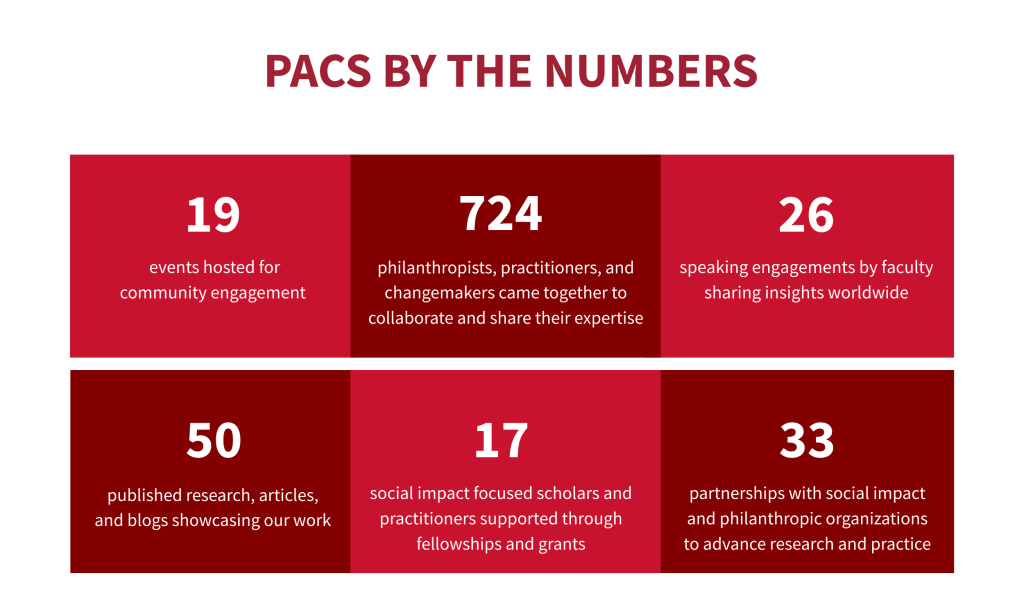
2024-25 Cohort of Fellows
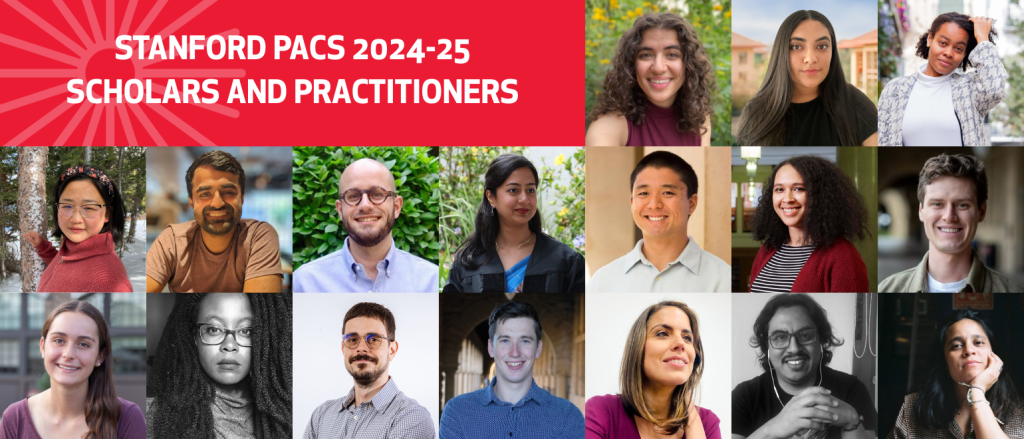
7 Postdoctoral Fellows
5 Practitioner Fellows

Cultivating Scholars who Create Ideas for Change
Our scholars and fellows produce cutting-edge research that deepen understanding of the forces shaping civil society and inform solutions to our most pressing social challenges. From examining the role of philanthropy in social change to exploring how communities mobilize for justice, their work bridges scholarship and practice, equipping policymakers, nonprofits, and funders with evidence and ideas that strengthen the institutions, networks, and values at the heart of a vibrant democracy.
- Chagai Weiss, former Postdoctoral Fellow at the Politics and Social Change Lab (PaSCL), accepted a position as Assistant Professor and Bronfman Chair at University of Toronto.
- Christof Brandtner, Senior Research Fellow at the Civic Life of Cities Lab and former PhD Fellow at Stanford PACS, won the 2024 Jane Addams Article Award for best scholarly article in community and urban sociology published in the previous two years for his paper, “Green American City: Civic Capacity and the Distributed Adoption of Urban Innovations.”
- Through our PhD Fellowship Program, Stanford PACS supports emerging scholars whose research bridges academia and practice. Recent PhD Fellow spotlights featured research from Enna Chen on how age shapes generosity, Shantanu Nevrekar on credit cooperatives and caste in India, Alexia Olaizola on homelessness policy and economic outcomes in the U.S., and Marijn Nura Mado on media literacy campaigns and their role in shaping democracy and civil society.
- The 2024–25 cohort of the Digital Civil Society Lab (DCSL) Practitioner Fellows, supported in partnership with the Center for Comparative Studies in Race and Ethnicity, are advancing bold, community-centered visions for a more just digital future. Their fellowship projects explore urgent questions of data sovereignty, digital accountability, collective memory, and care, offering new frameworks rooted in lived experience and cultural context. Their work reflects Stanford PACS’ mission to strengthen civil society by equipping communities, policymakers, and institutions with practical tools, case studies, and collaborations that address the evolving challenges of the digital age.
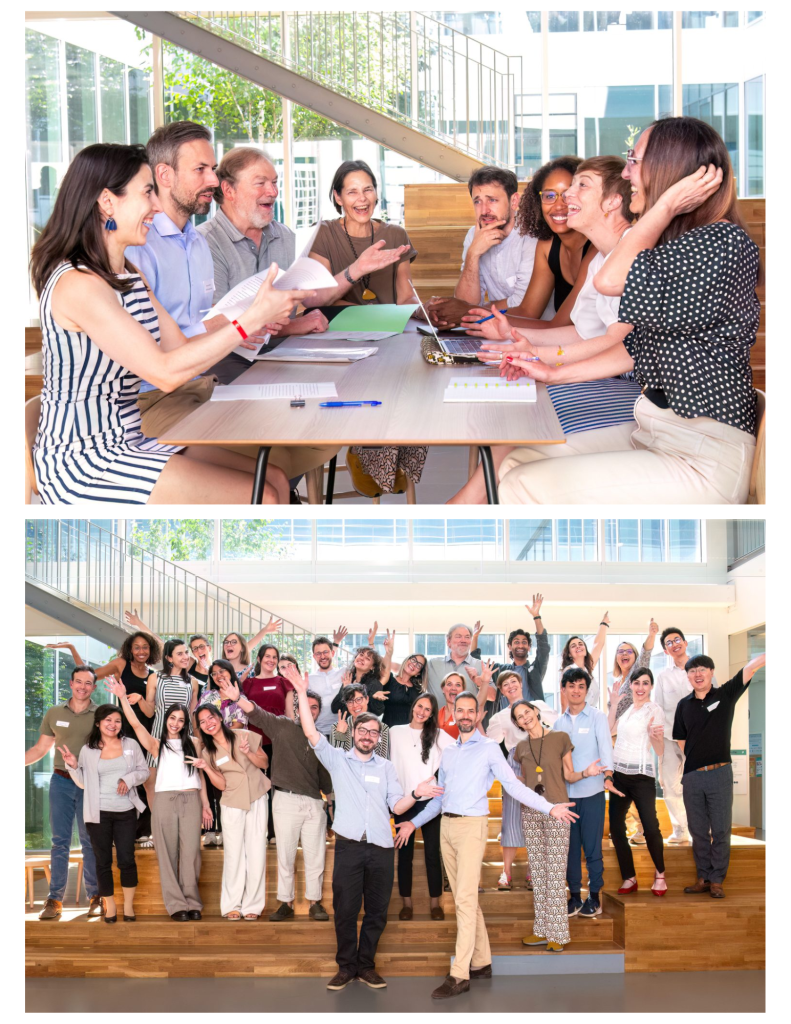
Junior Scholars Forum
Since 2015, the Junior Scholars Forum (JSF) has gathered early-career researchers of civil society and philanthropy to build community and advance the field. This year’s Junior Scholars Forum, hosted in partnership with ESSEC Business School’s Philanthropy Chair and the Social Innovation Chair at ESSEC’s Paris Cergy campus, brought together 20 emerging and established researchers from leading universities around the world to advance scholarship on philanthropy and civil society. Scholars represented institutions across North America, Europe, and Asia, including Stanford, Oxford, Harvard, HEC Paris, and the University of Tokyo, with participants joining from 11 different countries.
The Early-Stage Track welcomed 10 promising scholars in the first years of their academic careers, offering them mentorship, feedback, and an introduction to a global network of peers. The Advanced Track hosted another 10 accomplished junior faculty and postdoctoral fellows, providing a platform to refine their research and collaborate on projects with far-reaching implications for the field.
By convening participants from diverse regions and disciplines, the forum fostered the exchange of fresh ideas, strengthened international research connections, and advanced PACS’ mission to bridge research and practice in philanthropy and civil society.
Learning to Give, a Leading Pathway to Impact

Philanthropy is a lifelong learning journey, one that evolves from first encounters with giving to shaping large-scale strategies that can transform systems. Our programs meet learners where they are, offering experiences that build the skills, knowledge, and networks needed to give more effectively and with greater impact.
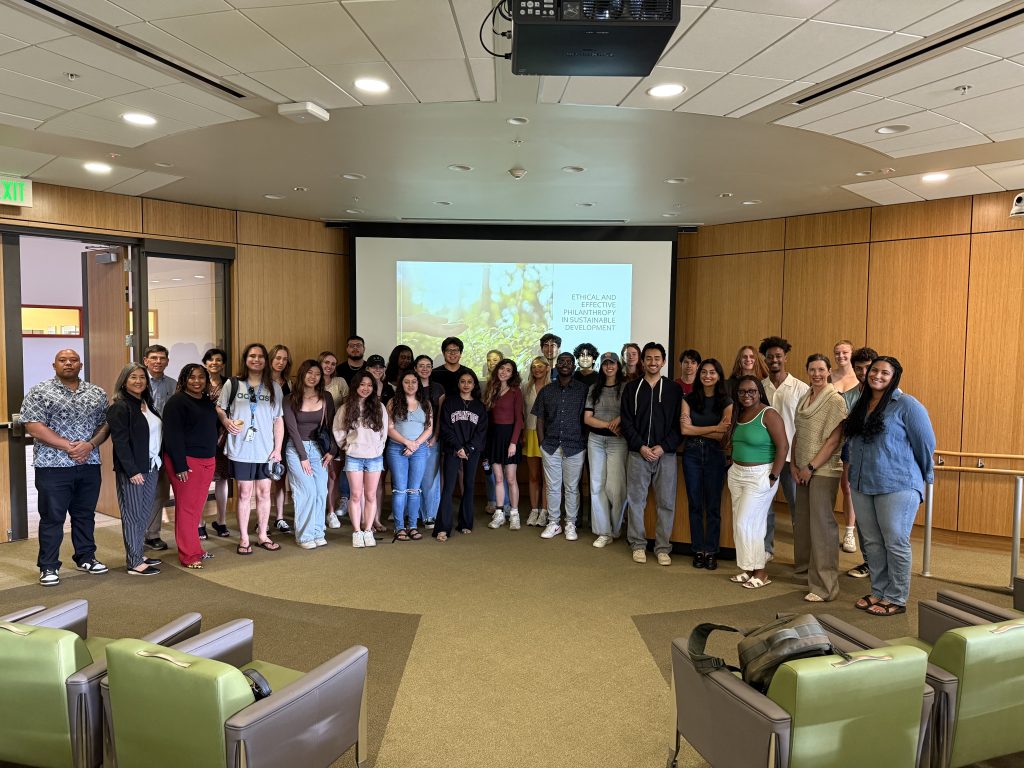
Learning the Fundamentals: Ethical and Effective Philanthropy in Sustainable Development Course for Stanford Students
In the Spring 2025 quarter, students in the Ethical and Effective Philanthropy in Sustainable Development course, led by Stanford PACS Faculty Co-Director Patricia Bromley and Director of Research and Education Vera Michalchik, explored a central challenge in the world of giving: how to make the greatest impact with limited resources. Through class discussions, readings, and real decision-making power, students learned about the history and structure of philanthropy and the nonprofit sector while developing tools to guide their giving decisions. The course empowered students to research and pitch nonprofits to receive funding, award real grants, and engage in nuanced discussions about allocating resources across critical issue areas.
Read our recent Q&A with two students from the course, Chelsey Darian Arellano and Erick Noel Rocha, to hear what they took away from the experience and how it’s influencing their future paths.
This course was supported by The Philanthropy Lab.
Education for Philanthropy Professionals
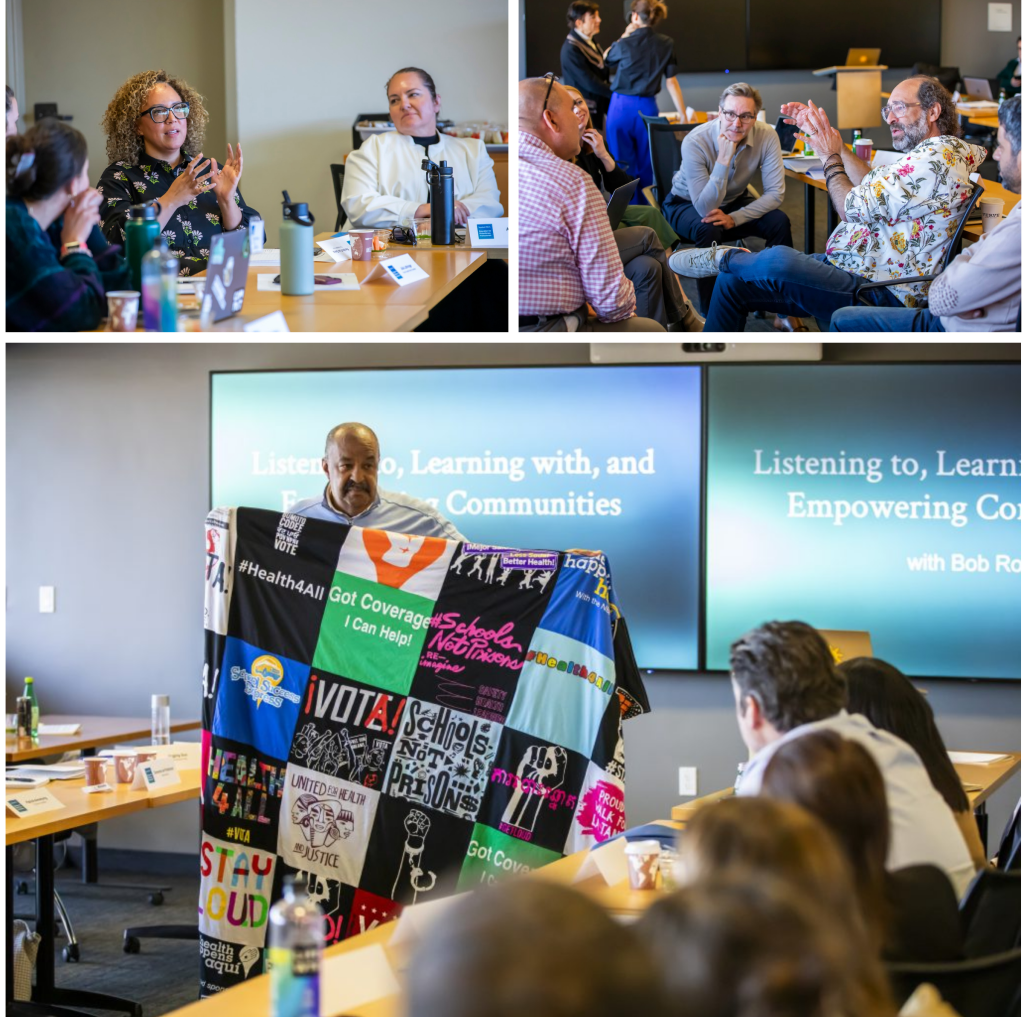
Building on foundational knowledge, Stanford PACS’ Education for Philanthropy Professionals (EPP) program guides mid- and senior-level philanthropy leaders in translating insight into action. This executive-style learning program is taught by Stanford staff and faculty, such as Paul Brest and Rob Reich, alongside notable guest speakers including Bob Ross, Rhodri Davies, and Sara Lomelin.
Across two cohorts in 2024-25, EPP brought together 44 participants from leading foundations and advisory firms, including the Hilton Foundation, Arnold Ventures, Gates Foundation, and Arabella Advisors, to navigate the evolving philanthropic landscape, from understanding donors’ values and giving vehicles to exploring systemic social problems, governance strategies, and emerging trends. The course bridges research and practice, helping leaders translate scholarship into practical strategies for high-impact giving.
The program’s impact is reflected in participant experiences: Kim Garner, Merced Regional Director at the Central Valley Opportunity Fund, shared how EPP shifted her approach from short-term giving to strategic, long-term philanthropy, strengthening her work in supporting under-resourced rural communities. Speaker Rhodri Davies, founder and Director of Why Philanthropy Matters, discussed how nonprofit leaders can leverage AI strategically and apply cross-sector insights to practical decision-making. Eric Weingartner, President of the Overbrook Foundation, highlighted how EPP strengthens leaders’ ability to connect intention to action, navigate complex sector dynamics, and deploy resources effectively.
Through programs like EPP, Stanford PACS helps philanthropy professionals move beyond theory, turning learning into actionable strategies that strengthen civil society. By connecting with leaders in the field, participants gain the knowledge, networks, and perspective needed to make giving more strategic, effective, and impactful.
Philanthropy and Digital Civil Society: 2025 Blueprint
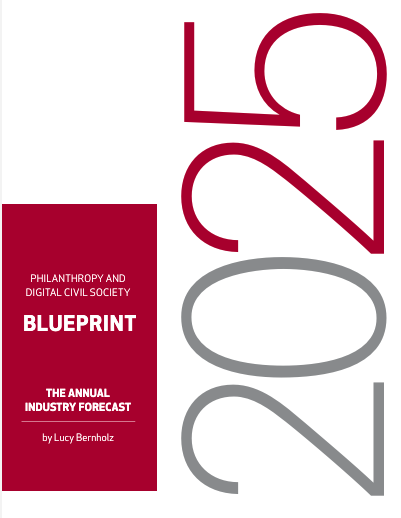
Authored by former Director of the Digital Civil Society Lab Lucy Bernholz, Philanthropy and Digital Civil Society: Blueprint is Stanford PACS’ annual forecast on the evolving landscape of giving and the role of private resources in advancing the public good. Each edition highlights emerging trends, identifies potential breakthroughs, and examines how shifts in policy, technology, and societal dynamics shape philanthropy and civil society.
This year’s Blueprint underscores the dual pressures facing nonprofits and philanthropists: regulatory and political changes that may constrain civic action, alongside rapid innovation in digital technologies that create new opportunities for engagement and impact. This 16th annual edition explores how civil society must navigate a hybrid world of online and offline interactions, leveraging digital tools while safeguarding democratic norms and collective purpose. The Blueprint also examines the expansion of the “ecosystem of generosity,” from traditional nonprofit giving to impact investing, online campaigns, and new organizational models, highlighting both opportunities and risks for funders and practitioners.
Following the release of Blueprint 2025, Lucy Bernholz hosted three virtual conversations with global partners to explore its themes in practice. With the Impact Trust, she joined Gerry Salole to discuss the launch of the Blueprint. With Why Philanthropy Matters, she examined the blurring boundaries of the sector, and with the Center for Transformational Change, she explored mutual aid as a force for community resilience.
The 2025 Philanthropy Innovation Summit
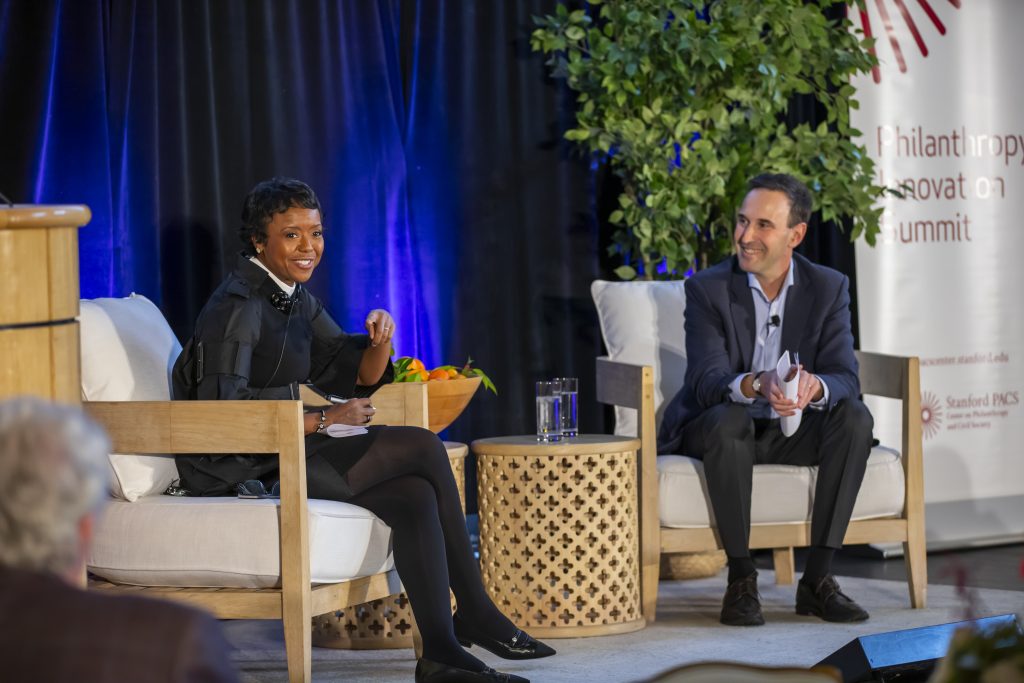
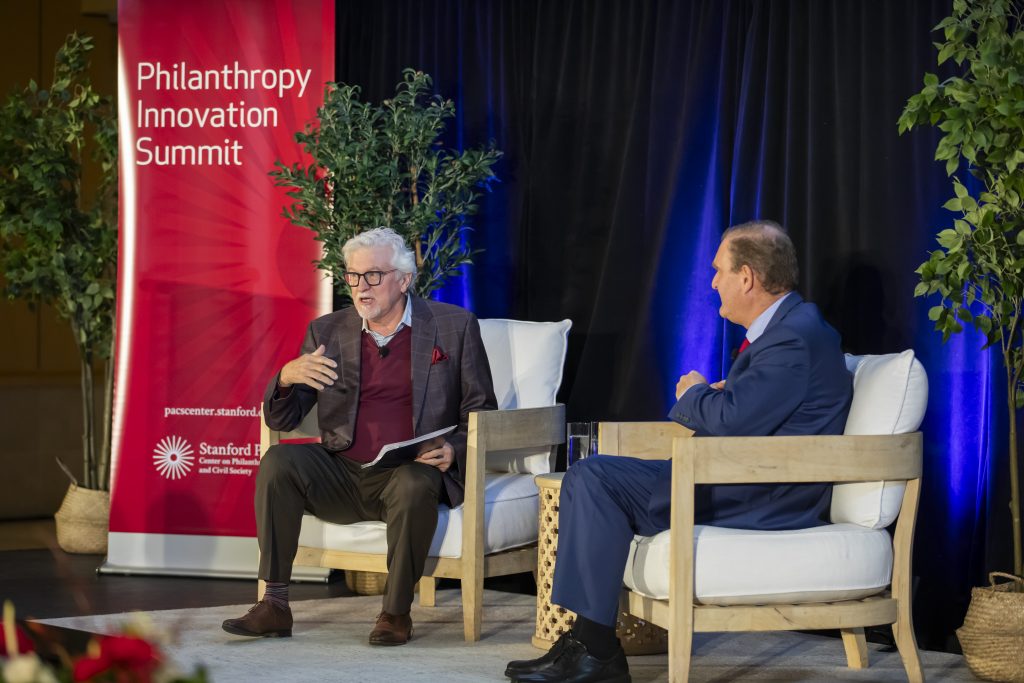
The Philanthropy Innovation Summit is a signature biennial gathering of individual and family philanthropists, designed to inspire connections, share actionable strategies, and explore the evolving role of giving in society. By providing a non-solicitation environment, the Summit allows attendees to focus on learning, peer collaboration, and thoughtful engagement with both the “how” and “what” of philanthropy.
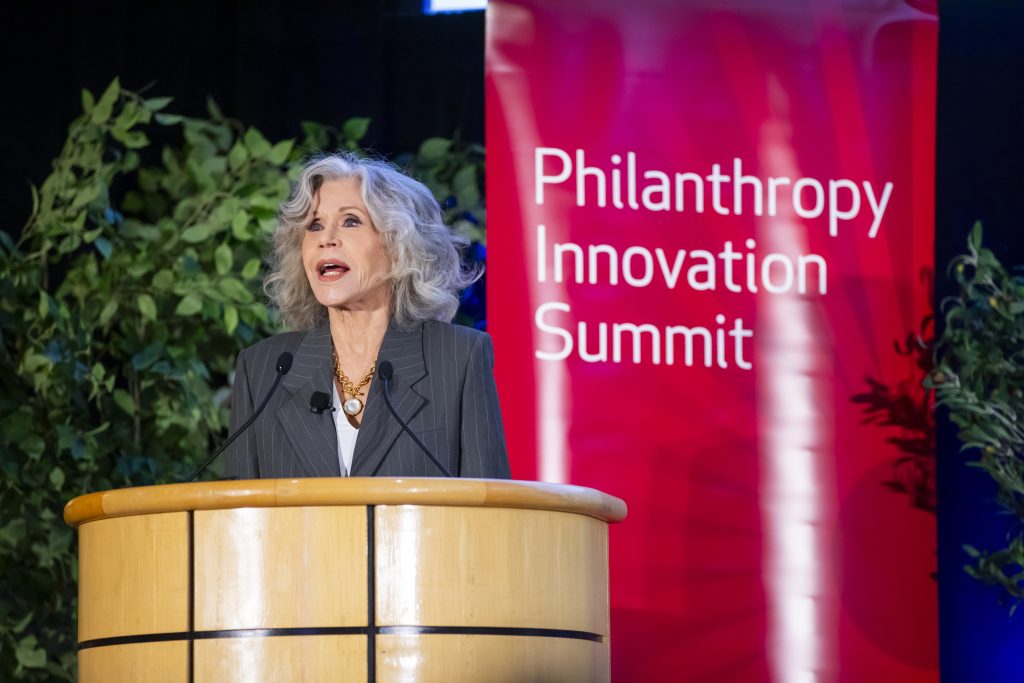
The 2025 Summit brought together over 200 attendees and expanded to a three-day program including plenary and salon sessions, auxiliary events, and curated experiences that emphasized the intersections of technology, democracy, societal health, and global philanthropy. Highlights included an opening keynote by Jane Fonda, plenary sessions with leaders such as Mellody Hobson, Alice Waters, and Stanford President Jonathan Levin, and salon discussions covering trust-based philanthropy, impact investing, family philanthropy, youth justice, and climate action. Alice Waters also curated a regenerative, locally sourced Summit luncheon to demonstrate how individual choices can reflect and advance philanthropic impact.
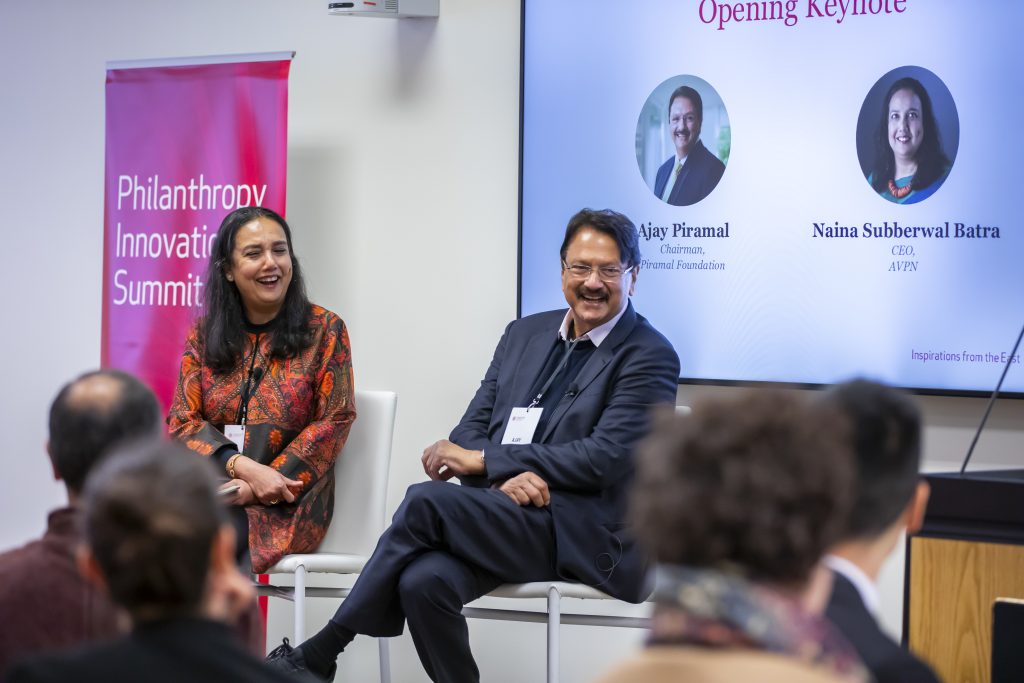
The program concluded with a half-day session, Inspirations from the East: How Asia is Redefining the Frontier of Philanthropic Innovation, featuring speakers from AVPN and Dasra, including keynote speaker Ajay Piramal. This program highlighted innovative, scalable, and community-led approaches to giving across Asia and the diaspora, reinforcing the Summit’s commitment to connecting local action with global lessons.
Participants praised the Summit’s thoughtful curation, relevant topics, and opportunities to engage with peers and experts. The Summit continues to position Stanford PACS as a neutral, research-informed convener, enabling philanthropists to bridge scholarship and practice while expanding their capacity to create meaningful, sustainable impact.
Following the Summit, several speakers contributed articles to our Philanthropy Innovation Summit blog to continue the conversation and extend the learning experience. In “The Rationale for Funding Local News,” John Palfrey, President of the John D. and Catherine T. MacArthur Foundation, and Karen Rundlet, CEO of the Institute for Nonprofit News, made the case for local journalism as an essential public good and highlighted the growing philanthropic movement to sustain it. In “Are We Listening? Redefining ‘Youth Empowerment,” Tricia Raikes of the Raikes Foundation highlighted the critical role of youth voice in systems change, illustrating how philanthropy can fund prevention strategies, youth-led innovation, and partnerships that embed young people in decision-making. Both articles showcase how the Summit fosters ongoing dialogue, helping attendees translate insights into meaningful action.
Strengthening Civil Society Through Research & Convenings
Our work on civil society seeks to understand and strengthen the networks, institutions, and practices that advance the common good. From grassroots mobilization to global policy frameworks, our faculty and scholars examine how nonprofits, social movements, and civic actors shape change in complex and contested environments.
Stanford PACS Faculty Co-Director and Director of the Global Civil Society and Sustainability Lab Patricia Bromley extends this systems-level lens to the existential challenge of climate change in the article “Advancing Global Social Change: Systems Approaches to the Role of Nonprofits in Climate Policy.” Climate change’s scope and complexity—spanning jobs, energy, health, and global justice—demand approaches that see the whole system, not just its parts. Professor Bromley outlines four systems-based perspectives—engineering, evolutionary, social constructivist, and critical realist—and applies them to the role of nonprofits in climate policy, surfacing the implicit assumptions that shape advocacy, policymaking, and research.
In “This Is What Makes Protests Successful,” Professor Robb Willer, director of the Politics and Social Change Lab and faculty co-director of Stanford PACS, investigates the conditions under which protest movements achieve their goals, highlighting the interplay between mobilization strategies, political context, and public opinion.
In “Transforming Society: The Advocacy Role of Social Enterprises,” Co-Director of the Global Innovation for Impact Lab Johanna Mair explores how mission-driven businesses balance commercial success with sustained social advocacy, offering a blueprint for organizations that seek both impact and influence.
Together, these studies underscore a central theme: solving today’s most urgent challenges requires navigating interconnected systems, confronting polarization, and reimagining the roles of civil society actors to advance lasting social change.
In 2024-2025, we hosted convenings that brought together scholars, practitioners, and community leaders from around the world to explore how civil society can adapt and thrive in the face of today’s challenges, and keep civic spaces open and constructive in democratic societies worldwide.
Civil Society and Sustainability Conference
In partnership with the Stanford Graduate School of Business, PACS co-hosted the Civil Society and Sustainability Conference, a cross-disciplinary gathering designed to strengthen scholarship at the intersection of civil society and sustainability. Led by PACS Faculty Co-Director and Director of the Global Civil Society and Sustainability Lab Patricia Bromley, presenters from sociology, political science, business, education, public policy, and environmental studies explored topics ranging from collective action in the solar PV industry to gendered leadership in environmental organizations. With nearly 75 participants, the conversations underscored how diverse perspectives can inform more effective sustainability strategies, bridging local action with global systems change.

Public Event: Book Talk with Marshall Ganz
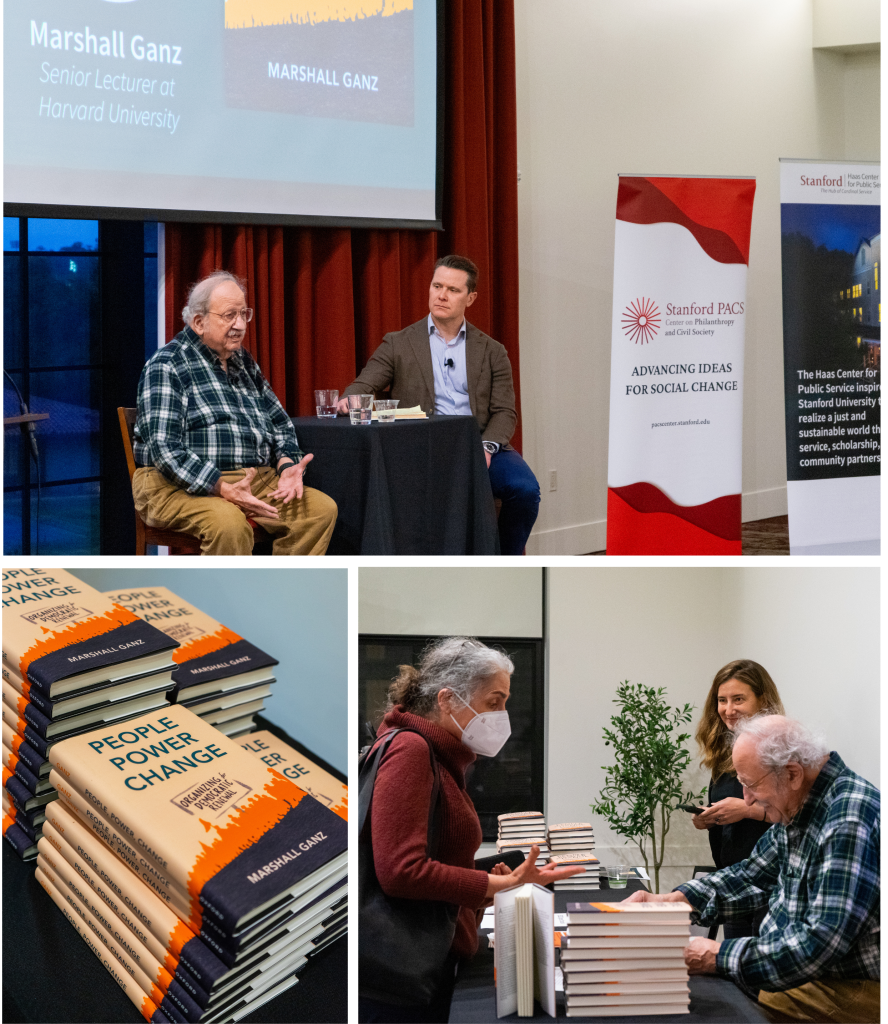
In collaboration with the Stanford Cyber Policy Center, Democracy Hub, Haas Center for Public Service, and the Office for Religious & Spiritual Life, PACS welcomed renowned organizer and scholar Marshall Ganz for a conversation on his latest book, People, Power, Change, with Stanford Professor Tomás R. Jiménez. Ganz drew from decades of experience, from the civil rights movement to grassroots political campaigns, to offer a roadmap for building the collective power needed to strengthen democracy.
The conversation resonated far beyond the event itself: the Stanford Social Innovation Review published the book talk interview with Ganz, “Are You Building Something?,” which became one of SSIR’s most-read pieces of the year, amplifying the discussion to a global audience of changemakers.
US-Japan Foundation and Stanford PACS Seminar
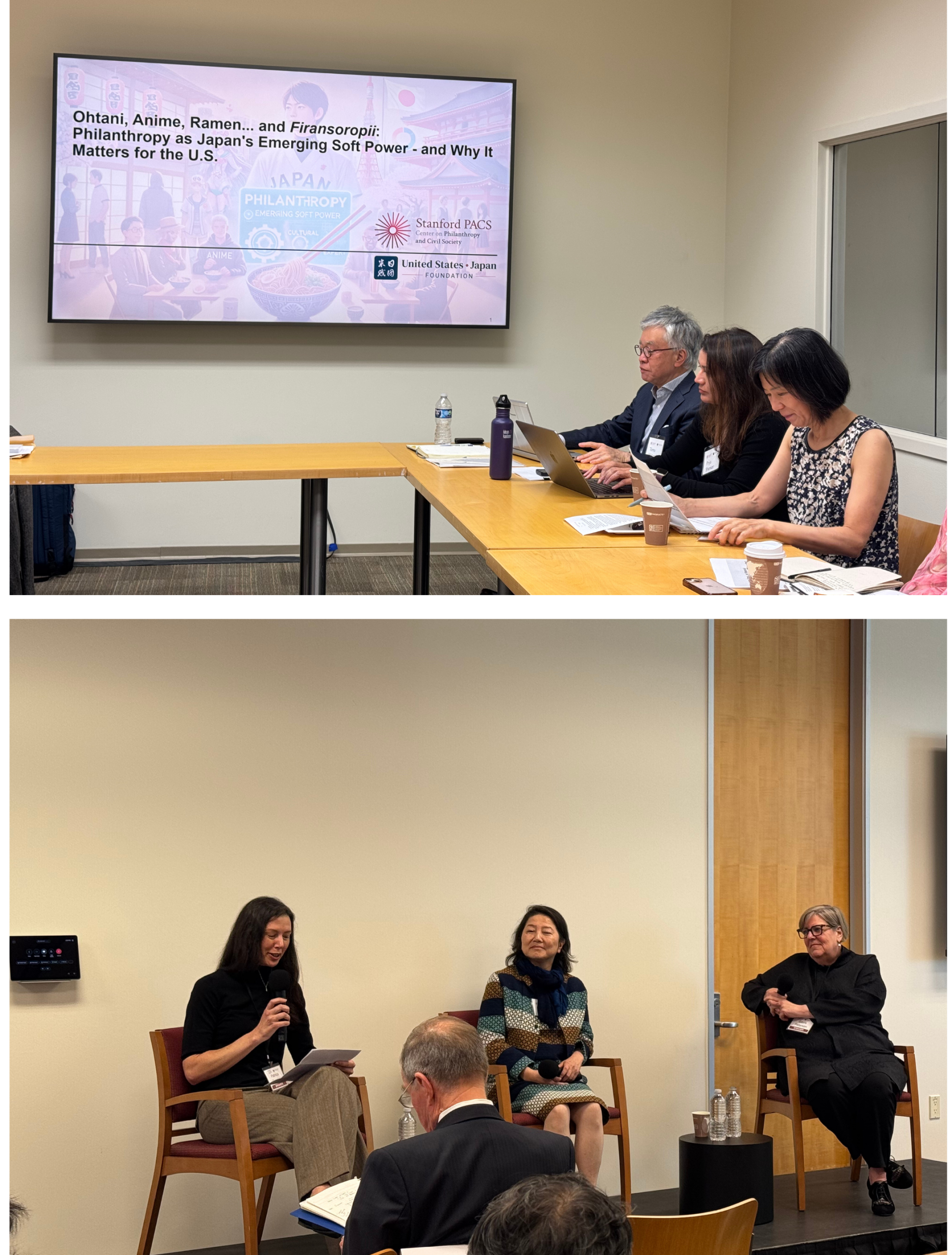
Together with the US–Japan Foundation, PACS hosted a public seminar on the evolving role of Japan’s philanthropic sector and the opportunities for cross-cultural collaboration. Scholars and leading practitioners from both countries examined the historical roots of Japanese civil society, emerging trends in social impact, and strategic approaches to strengthening nonprofit infrastructure. The conversation underscored how philanthropy and social innovation can be powerful tools of soft power, and how trans-Pacific partnerships can help address shared societal challenges.
Technology, Culture, and Power Speaker Series
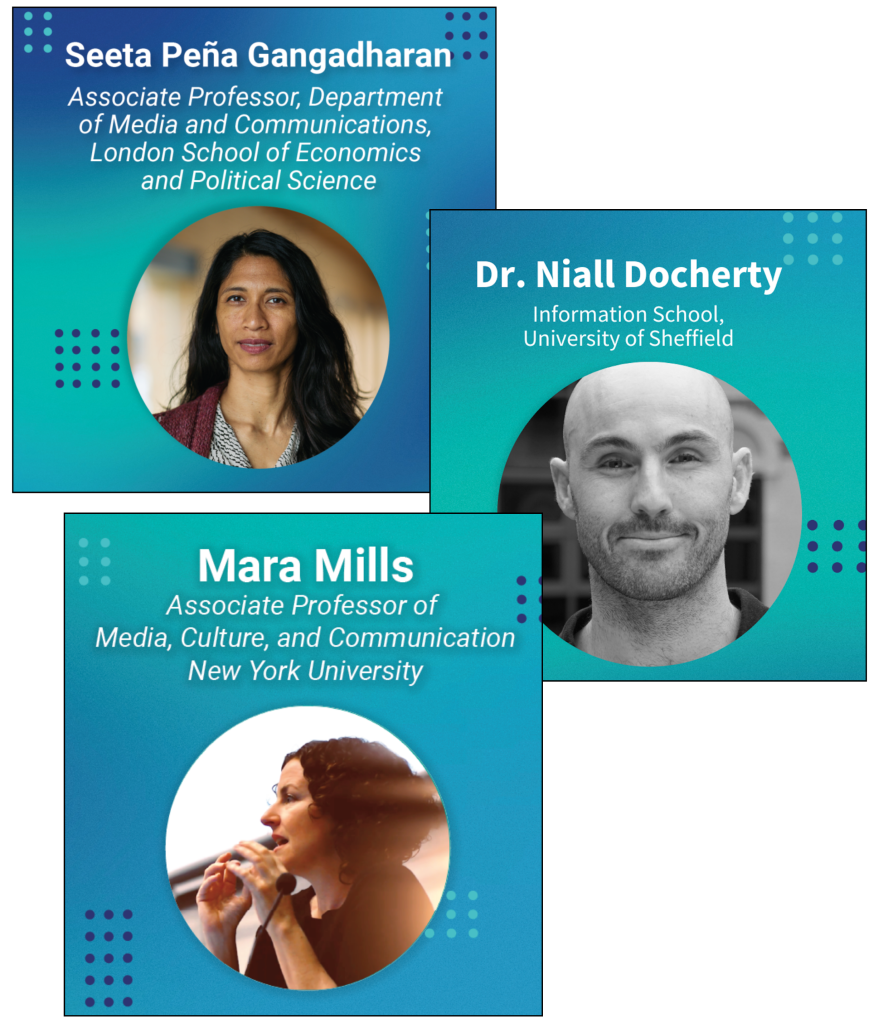
In partnership with the Stanford Cyber Policy Center, the Technology, Culture, and Power Speaker Series, led by PACS Faculty Affiliate Angèle Christin and made possible with support from the Humanities Seed Grant from Stanford Public Humanities, brings together leading scholars to examine how digital technologies shape, and are shaped by, social, cultural, and political forces. This year’s talks explored the ethics of technology research in marginalized communities with Dr. Seeta Peña Gangadharan, the intersection of disability justice and algorithmic decision-making with Professor Mara Mills, and the governance of well-being on social media with Dr. Niall Docherty, among other topics. Each conversation challenged assumptions, introduced fresh perspectives, and invited the PACS and broader Stanford community to consider how technology intersects with equity, justice, and civic life.
Social Innovation in Action
Stanford PACS sparks social innovation by generating new knowledge, equipping practitioners with actionable insights, and convening leaders to address the most urgent challenges facing society. Through the Stanford Social Innovation Review (SSIR)’s publications, events, and partnerships, we help bridge cutting-edge research with real-world practice.
Sharing Knowledge, Inspiring Impact
This year, SSIR published a collection of articles sponsored by the Institute of Philanthropy, “The Best of SSIR: Impactful Philanthropy in the Real World,” a special print supplement highlighting some of the most influential articles on social impact measurement. Designed to foster discussion and co-learning, particularly among philanthropy professionals in Asia, the collection showcases diverse approaches to measuring impact, the importance of stakeholder feedback, and evidence-informed innovations from organizations such as the Abdul Latif Jameel Poverty Action Lab, Rohini Nilekani Philanthropies, and The Hong Kong Jockey Club Charities Trust. The supplement was accompanied by a complimentary webinar program on impact measurement from a global perspective, reaching 3,428 registrants from 41 different countries.
Engaging and Equipping Nonprofit Leaders
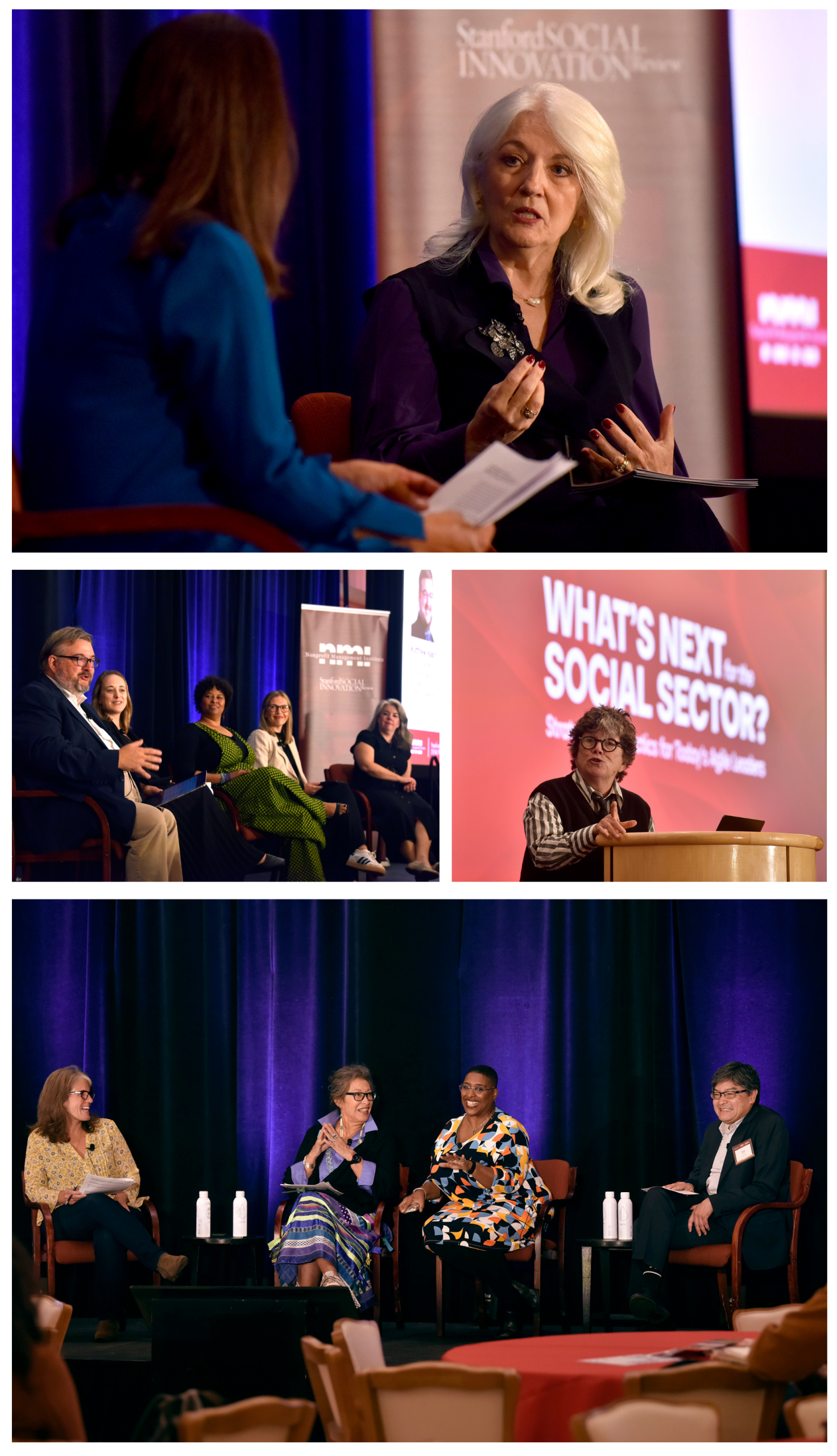
The annual Nonprofit Management Institute (NMI) brought together 362 nonprofit leaders in person at Stanford University to discuss the most pressing issues shaping the sector: AI ethics, climate adaptation, DEI under pressure, and nonprofit advocacy in uncertain times. NMI remains a cornerstone of SSIR’s work in connecting practitioners with new strategies and tools to strengthen their organizations and communities.
This commitment to practitioner engagement is reflected in one of SSIR’s top-read articles, “A New Look at How US Nonprofits Get Really Big.” Building on landmark 2007 research, the updated analysis examines 297 nonprofits founded since 1990 that have surpassed $50 million in annual revenue. The findings, showing that scale often comes from focusing on a single primary funding source, provide nonprofit leaders with a realistic roadmap for growth. Through work like this, SSIR and PACS continue to translate complex data into practical insights for the sector.
From publications that shape global conversations to convenings that equip leaders for action, our work in social innovation ensures that knowledge is not only generated but also shared, tested, and applied to create lasting social impact.
Understanding the Impact of AI on Social Innovation
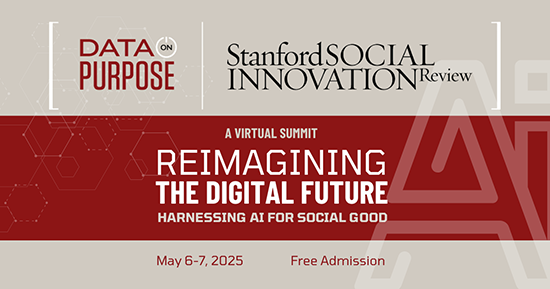
SSIR’s 2025 Data on Purpose brought together 23 world-class speakers, including Nobel Prize winner Daron Acemoglu, and nearly 2,000 attendees from 114 countries for urgent, challenging conversations about the rapidly growing role of AI in social innovation. Under the theme “Reimagining the Digital Future: Harnessing AI for Social Good,” the two-day virtual convening explored AI’s potential to transform sectors, from climate to education, while tackling difficult questions about equity, safety, and accountability.
The conversations continued through SSIR’s recent articles to probe the opportunities and tensions raised on the virtual stage. “Gather, Share, Build” underscores one of the biggest challenges to leveraging AI for social good: the need for better data practices that enable equitable, effective AI deployment. Meanwhile, “Mapping the Landscape of AI-Powered Nonprofits” offers the first comprehensive overview of how nonprofits are using AI, from structuring vast datasets to providing hyper-local advising and translation tools, illustrating the creativity and urgency of the social sector’s response.
Highlights from Social Innovators Around the World
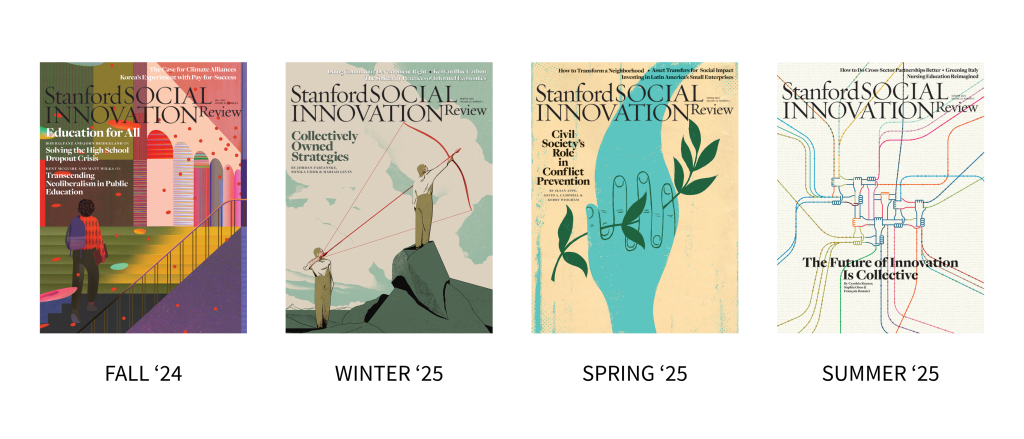
Stanford Social Innovation Review partners with publishers in six countries to produce local language editions (LLEs) that bring SSIR’s ideas and insights to innovators around the world. These editions reflect the unique contexts, challenges, and opportunities of their regions, fostering knowledge exchange and sparking solutions that are both locally grounded and globally relevant. Below are highlights from this year’s partnerships:
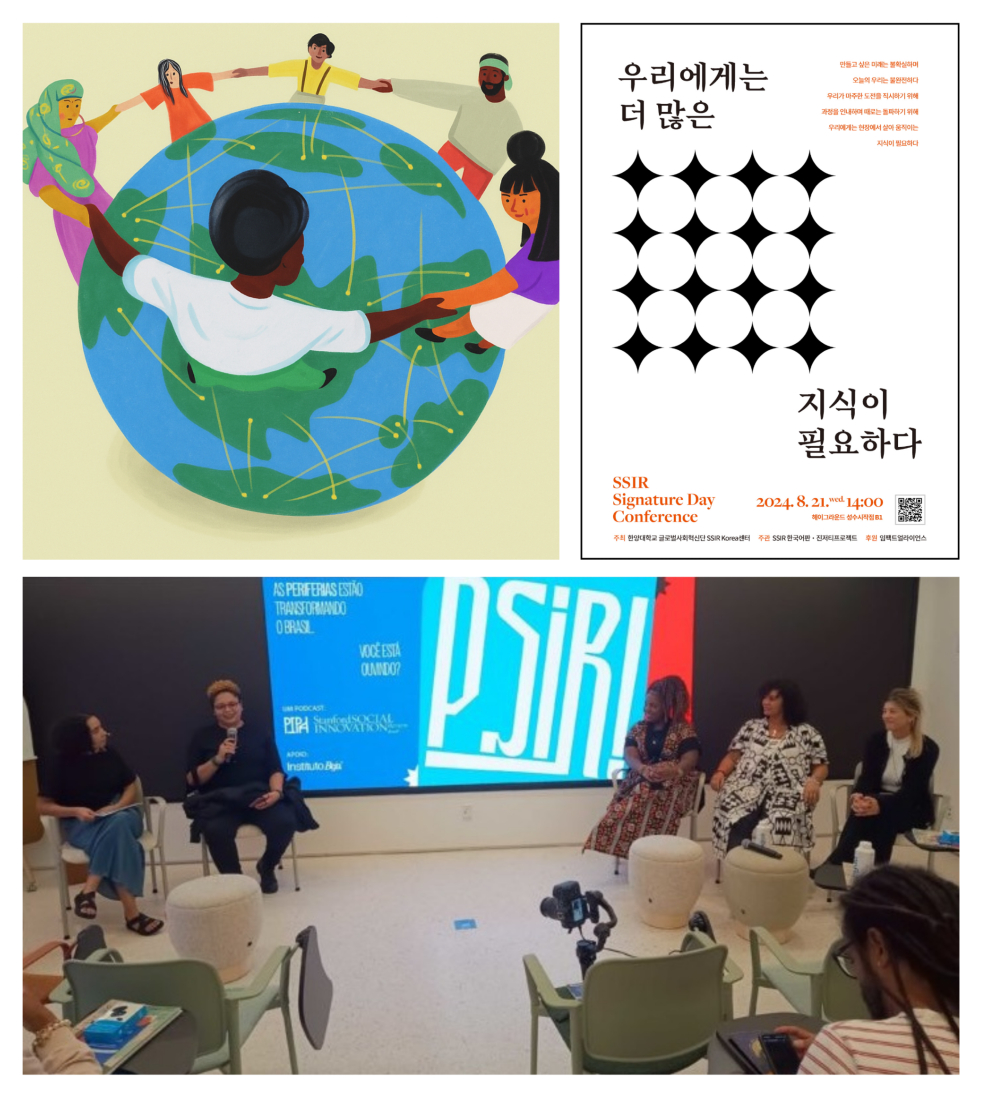
SSIR Brasil and Iniciativa PIPA launched the PSIR! podcast at Instituto Beja, gathering 50 leaders from philanthropy and the social sector. During the podcast launch panel, Carolina Martinez spoke about the development of the project and SSIR Brasil’s mission to build and share knowledge on social innovation in the country.
SSIR’s first-ever global series of articles: Created in collaboration with all six LLE partners, with articles focusing on equity and inclusion. The article series was published in seven languages with 67,501 views globally.
SSIR Korea’s Signature Day brought together more than 90 leaders and practitioners in social innovation to exchange knowledge, reflect on sector-wide challenges, and spark new insights inspired by SSIR’s featured research and articles. The event strengthened connections across the field and advanced shared understanding of how to drive meaningful change in Korea.
Thank You to Our Partners